
Sexual Wellness Improvements
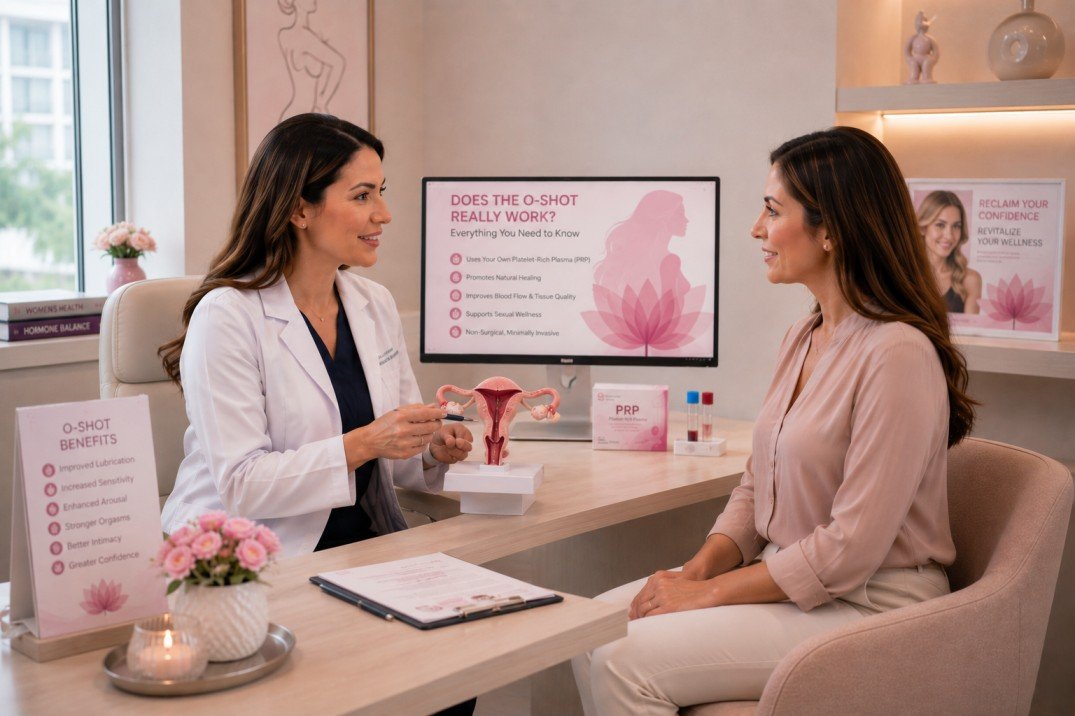
One of the primary reasons women consider the O-Shot is its potential to improve overall sexual wellness. Sexual health is about far more than orgasm alone—it encompasses desire, arousal, comfort, lubrication, emotional confidence, intimacy, and overall satisfaction. When any of these areas are affected by aging, childbirth, menopause, medical conditions, or stress, quality of life can decline. The O-Shot aims to address some of these physical changes by promoting healthier tissue through platelet-rich plasma (PRP).
Women who report positive results after the O-Shot often describe improvements in natural lubrication, making intercourse more comfortable and reducing friction-related discomfort. Enhanced blood flow may also increase sensitivity in the treated tissues, potentially leading to stronger arousal and easier orgasms. While these outcomes vary from person to person, they reflect the biological goal of PRP therapy: encouraging tissue regeneration and improving local circulation.
It's important to understand that female sexual function is influenced by a combination of physical, hormonal, emotional, and relationship factors. Even if the O-Shot improves tissue quality, issues such as anxiety, depression, chronic stress, medication side effects, or hormonal imbalances may still affect sexual satisfaction. For this reason, many healthcare providers recommend viewing the O-Shot as part of a broader sexual wellness strategy rather than a standalone cure.
Patients who tend to experience the greatest benefits are often those with symptoms linked to age-related tissue changes, postpartum healing, or mild vaginal atrophy. Women with realistic expectations generally report higher satisfaction because they understand that the treatment is designed to support natural healing—not create dramatic or immediate transformations. Open communication with a qualified healthcare provider can help determine whether the procedure aligns with an individual's goals and medical history.
Urinary Incontinence Relief
Although the O-Shot is best known for its potential effects on sexual function, another frequently discussed benefit is the possibility of improving mild stress urinary incontinence (SUI). Stress urinary incontinence occurs when urine leaks during activities that increase abdominal pressure, such as coughing, laughing, sneezing, exercising, or lifting heavy objects. It affects millions of women, particularly after pregnancy, childbirth, or menopause.
The theory behind using PRP for urinary incontinence is based on regenerative medicine. By injecting platelet-rich plasma into tissue surrounding the urethra and anterior vaginal wall, healthcare providers hope to stimulate collagen production, improve blood supply, and strengthen the supporting tissues that help maintain bladder control. As these tissues regenerate, some women may experience fewer leakage episodes and improved urinary function.
Several small clinical studies have reported encouraging outcomes, with participants noting reduced leakage and improved quality of life following treatment. However, researchers also emphasize that evidence remains limited, and larger randomized clinical trials are still needed to confirm effectiveness. The O-Shot should therefore not be considered a replacement for well-established treatments such as pelvic floor muscle training, lifestyle modifications, or surgical interventions in more severe cases.
Women experiencing mild urinary leakage may benefit from discussing the O-Shot alongside other treatment options. In many cases, combining PRP therapy with pelvic floor exercises, weight management, bladder training, and hormonal therapies—when medically appropriate—may provide more comprehensive symptom relief. A thorough evaluation by a urogynecologist or women's health specialist is essential to determine the underlying cause of incontinence and identify the most suitable treatment approach.
Who Is an Ideal Candidate?
The O-Shot is not intended for every woman, but certain individuals may be more likely to benefit from the procedure. Ideal candidates are generally healthy adults experiencing symptoms that could be related to reduced blood flow, tissue aging, hormonal changes, or mild pelvic floor weakness. Since PRP relies on the body's natural healing mechanisms, overall health plays an important role in treatment outcomes.
Women who may consider the O-Shot include those experiencing:
- Reduced sexual desire or arousal
- Difficulty achieving orgasm
- Vaginal dryness
- Pain during intercourse related to tissue changes
- Mild stress urinary incontinence
- Symptoms associated with menopause
- Vaginal tissue changes following childbirth
Before recommending treatment, healthcare providers typically conduct a detailed consultation that includes a medical history, physical examination, and discussion of symptoms. This evaluation helps identify whether the patient's concerns are likely to respond to regenerative therapy or whether another condition requires different treatment.
Women with chronic illnesses such as uncontrolled diabetes, severe cardiovascular disease, or autoimmune disorders may require additional assessment before undergoing PRP therapy. Likewise, those taking medications that affect blood clotting or platelet function should discuss these factors with their healthcare provider.
The O-Shot may also appeal to women seeking a minimally invasive alternative to surgery. Because it uses the patient's own blood and involves little downtime, it is often viewed as a lower-risk option compared to more invasive procedures. Nevertheless, careful patient selection remains one of the most important predictors of treatment satisfaction.
Medical Conditions It May Help
Although the O-Shot is often associated with enhancing sexual wellness, healthcare providers may also consider it for women experiencing specific medical conditions that affect the genital and urinary systems. These include symptoms that arise from aging, hormonal changes, childbirth, or mild tissue damage.
Potential conditions that may benefit include:
| Condition | Potential Role of the O-Shot |
|---|---|
| Vaginal dryness | May improve tissue hydration and blood flow |
| Mild stress urinary incontinence | May strengthen supportive tissue |
| Pain during intercourse | May enhance tissue quality in selected cases |
| Decreased orgasm intensity | May improve sensitivity through increased circulation |
| Mild vaginal atrophy | May support tissue regeneration alongside other therapies |
It is important to note that the O-Shot is not considered a first-line treatment for serious gynecological disorders. Conditions such as severe pelvic organ prolapse, active infections, gynecologic cancers, significant neurological disorders, or advanced urinary incontinence require comprehensive medical evaluation and evidence-based management.
Women experiencing symptoms should undergo an accurate diagnosis before pursuing PRP therapy. Sometimes symptoms attributed to aging are actually caused by treatable infections, hormonal deficiencies, thyroid disorders, medication side effects, or pelvic floor dysfunction. Addressing these underlying issues may be equally—or more—effective than regenerative treatments alone.
Who Should Avoid the Procedure?
While the O-Shot is generally considered safe for many healthy women, there are circumstances in which it may not be appropriate. Because the treatment involves drawing blood and using platelet-rich plasma, certain medical conditions can increase the risk of complications or reduce the likelihood of successful results.
Women who may not be suitable candidates include those with:
- Active genital or pelvic infections
- Certain blood clotting disorders
- Platelet dysfunction syndromes
- Severe anemia
- Active cancer involving the pelvic region
- Uncontrolled diabetes
- Pregnancy (unless specifically advised by a healthcare provider)
- Serious autoimmune conditions affecting healing
Patients taking anticoagulant medications may also require individualized assessment, as these drugs can influence platelet function and increase bleeding risk. Likewise, smokers may experience less favorable regenerative responses because smoking can impair circulation and tissue healing.
A reputable healthcare provider should always review medical history carefully before recommending treatment. Women should also be cautious of clinics that promise guaranteed results or market the O-Shot as a cure-all. Ethical providers explain both the potential benefits and the current limitations of the available evidence.
Risks, Side Effects, and Safety
The O-Shot is generally considered a minimally invasive procedure, and because it uses the patient's own blood, the risk of allergic reactions or immune rejection is extremely low. However, like any medical treatment involving injections, it is not completely risk-free.
Common Side Effects
Common short-term side effects include:
- Mild swelling
- Temporary tenderness
- Bruising at the injection site
- Minor spotting
- Temporary discomfort
These symptoms usually resolve within a few days without requiring additional treatment.
More serious complications are uncommon but may include infection, bleeding, prolonged pain, or tissue injury if the procedure is not performed correctly. Choosing a qualified healthcare professional with experience in PRP therapy and female pelvic anatomy is essential for minimizing these risks.
Another important safety consideration is the variability in PRP preparation. Different clinics use different centrifuges, platelet concentrations, and injection techniques. Because standardized protocols have not yet been universally established, treatment quality can vary between providers.
Patients should ask questions about:
- The provider's training and experience
- PRP preparation methods
- Expected outcomes
- Alternative treatment options
- Potential complications
- Follow-up care
Having realistic expectations and selecting an experienced practitioner are among the most important steps in ensuring a safe and satisfactory experience.
Potential Risks and Limitations
While enthusiasm surrounding regenerative medicine continues to grow, it's equally important to recognize the limitations of the O-Shot. One of the biggest challenges is the lack of standardized research. Current studies vary in methodology, patient selection, and PRP preparation, making it difficult to predict outcomes with certainty.
Another limitation is that not every woman responds the same way. Some experience significant improvements, others notice only subtle changes, and a small percentage may not observe any meaningful benefit. Biological healing varies naturally from person to person.
Cost is another consideration. Because the O-Shot is generally considered an elective procedure, it is not typically covered by health insurance. Patients should factor this into their decision-making process, especially if repeat treatments are recommended.
Perhaps the most important limitation is expectation management. The O-Shot is not a guaranteed cure for sexual dysfunction or urinary incontinence. It should be considered one option within a personalized treatment plan developed in consultation with a qualified healthcare provider.
Cost, Results, and Frequently Asked Questions
The cost of an O-Shot varies widely depending on the clinic, geographic location, provider experience, and the type of PRP system used. In many countries, prices typically range from $900 to $2,000 USD per treatment, though costs may be higher in specialized medical centers. Since the procedure is usually elective, insurance coverage is uncommon.
How Long Do Results Last?
Many women who respond positively to the O-Shot report improvements lasting 12 to 18 months, although this varies considerably. Some choose maintenance treatments annually, while others may experience benefits for a shorter or longer period depending on their age, hormonal status, overall health, and lifestyle.
Is the O-Shot Worth It?
Whether the O-Shot is worth it depends on your individual symptoms, expectations, and medical circumstances. For women seeking a minimally invasive option with a relatively low risk profile, it may be a worthwhile treatment to discuss with a qualified provider. However, it should be approached with realistic expectations and an understanding that scientific evidence, while promising, is still evolving.
Conclusion
The O-Shot represents an exciting development in regenerative medicine and women's sexual health. By using platelet-rich plasma derived from a patient's own blood, the procedure aims to stimulate tissue repair, improve blood flow, and enhance vaginal health without surgery. Many women report improvements in lubrication, sexual satisfaction, orgasm intensity, and mild urinary incontinence, making it an appealing option for those seeking non-surgical treatment.
At the same time, it's important to separate promise from proof. Current research suggests potential benefits, but larger, well-designed clinical trials are still needed to establish long-term effectiveness and determine which patients are most likely to benefit. Women considering the O-Shot should consult an experienced healthcare professional, discuss alternative treatments, and make an informed decision based on their personal health goals and medical history.
Frequently Asked Questions
1. Is the O-Shot FDA-approved?
No. While PRP is widely used in medicine, the O-Shot itself is not specifically FDA-approved for enhancing sexual function.
2. How painful is the O-Shot?
Most patients report minimal discomfort because a topical anesthetic or local numbing medication is applied before the injections.
3. When will I notice results?
Some women notice improvements within a few weeks, while optimal results often develop over 6–12 weeks.
4. Can the O-Shot be combined with other treatments?
Yes. Depending on your condition, it may be combined with pelvic floor therapy, hormone therapy, or other treatments recommended by your healthcare provider.
5. How do I choose a qualified provider?
Look for a licensed physician or women's health specialist with experience in PRP therapies, female pelvic anatomy, and transparent discussions about both the potential benefits and the current scientific evidence.